Trama 2020
sss
sss
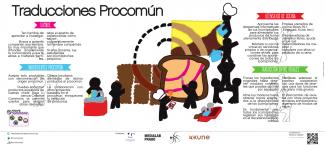
Allá por 2011 arrancaba en Medialab Prado la segunda convocatoria de colaboradores del proyecto Traducciones procomún en el marco del Laboratorio del Procomún. En esta ocasión invitábamos a reeditar la experiencia de "traducción entre iguales basada en el procomún" en torno a la reconocida obra de Chris Kelty Two Bits. The Cultural Significance of Free Software.
A la citada convocatoria respondieron no solo los habituales estudiantes del coordinador del proyecto en la UMA, Florencio Cabello, sino varias decenas de personas del ámbito académico, activista o profesional. Tras años de cocina a
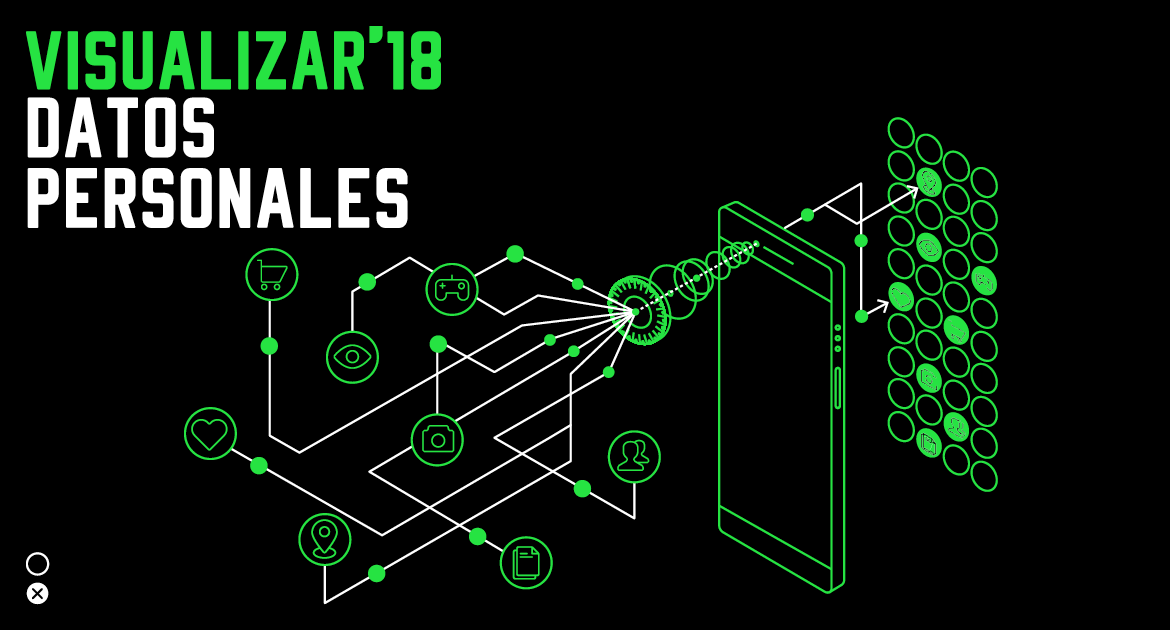
These are the six projects selected for Visualizar18: Personal Data data visualization workshop.
This workshop takes place from Friday, September 21st to Friday, October 5th
To collaborate with any of the projects, it is necessary to sign up for the call for collaborators that remains open until one day before the start (Wednesday, September 19th at 23:59 CEST)
The forthcoming edition of Visualizar'18 (21 September-5 October) has chosen Personal Data as its theme. This theme is by no means unrelated to previous editions of Visualizar, as back in 2015 we dealt with data commons and in 2017, because of the migration - of data -, the result of the Tráckula project was an addon for Firefox that displays the entities that track our activity on the web when we visit almost every page - including this one.
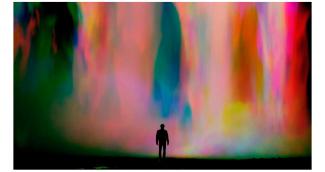
Infinite worlds are displayed in front of our senses when we put on some virtual reality glasses. At that very moment, the concepts of time and space take on a new dimension, altering our perception of reality and our own corporeality to embrace digitality. In this new state, we will learn many ways of interacting with the environment, turning us into active players in a creative process of constant experimentation.
At this new LEV Matadero we ask ourselves these questions. How we interact in and with virtual environments? Which strategies allow us to inhabit digital worlds? Which creative
WeCount es un proyecto europeo de ciencia ciudadana para contabilizar y medir la movilidad en las ciudades impulsado por Ideas for Change. Desde el mes de junio, la iniciativa distribuye unos sensores llamados Telraam que vecinos y comunidades ciudadanas de Madrid y Barcelona están instalando en sus ventanas para recolectar datos sobre cuántos coches, vehículos pesados, bicicletas y peatones pasan por sus calles. La información recopilada puede consultarse a tiempo real a través de esta plataforma y, con los resultados obtenidos, se determinará de manera conjunta que acción de alto impacto