

How do technological systems transform images, information and human labour? What disappears as information travels below the threshold of perceptible speed? What happens when images circulate before they can be verified? Speed and Disappearance connects Marciniak’s recent projects to trace how computational speeds shape our visual culture and understanding of reality, producing a new temporal cultural condition.
The physicalised version of the Balenciaga Pope’s jacket, The Sims as symptom and source of risk culture, or high-speed data ingestion and processing at CERN: the talk turns from particular images to the material infrastructures through which they circulate. Through the lapses and limits of these physical systems, their technical arrangements and logistical networks, the internet’s visual culture is reframed as a function of infrastructure rather than aesthetics alone.
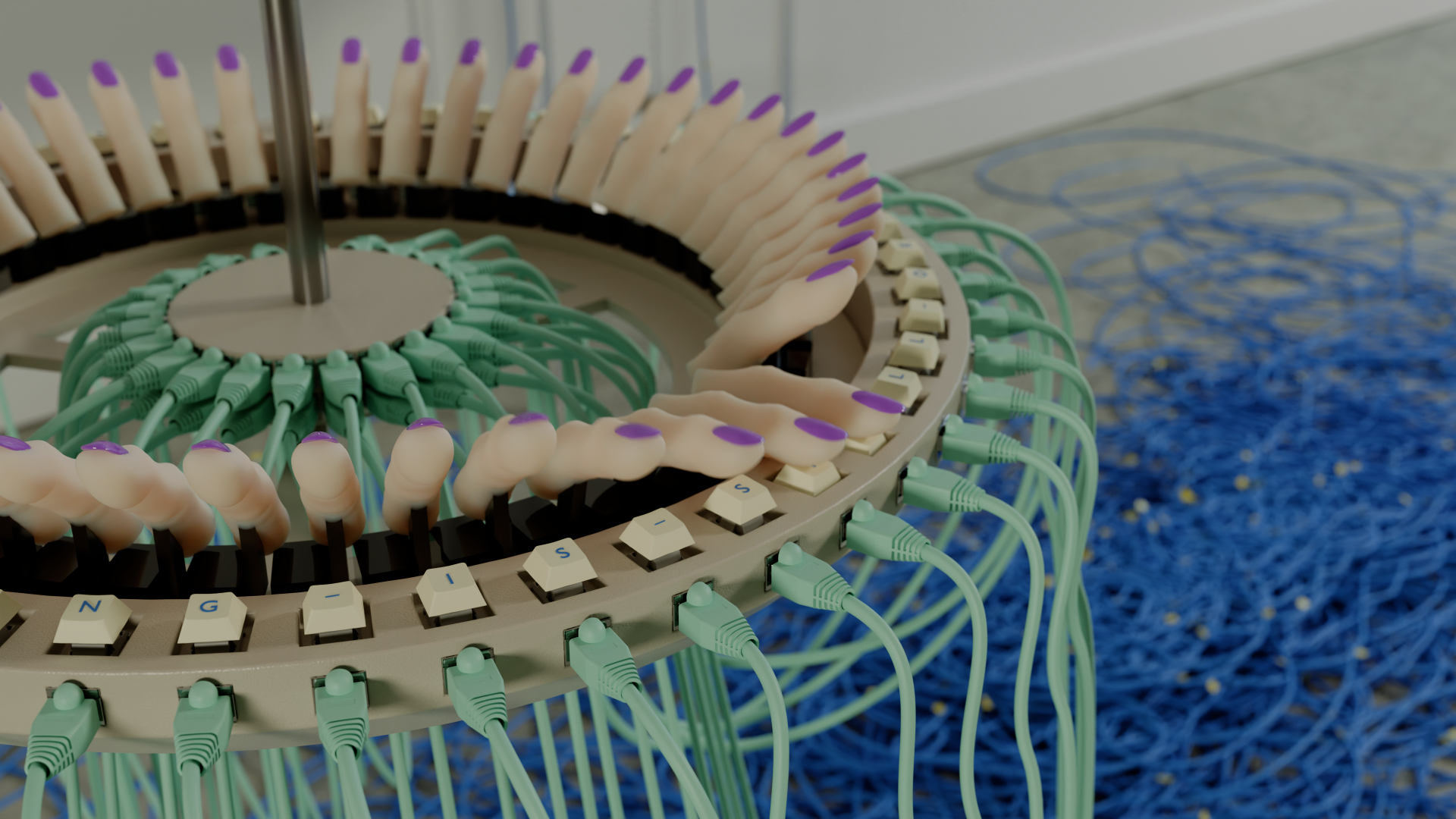
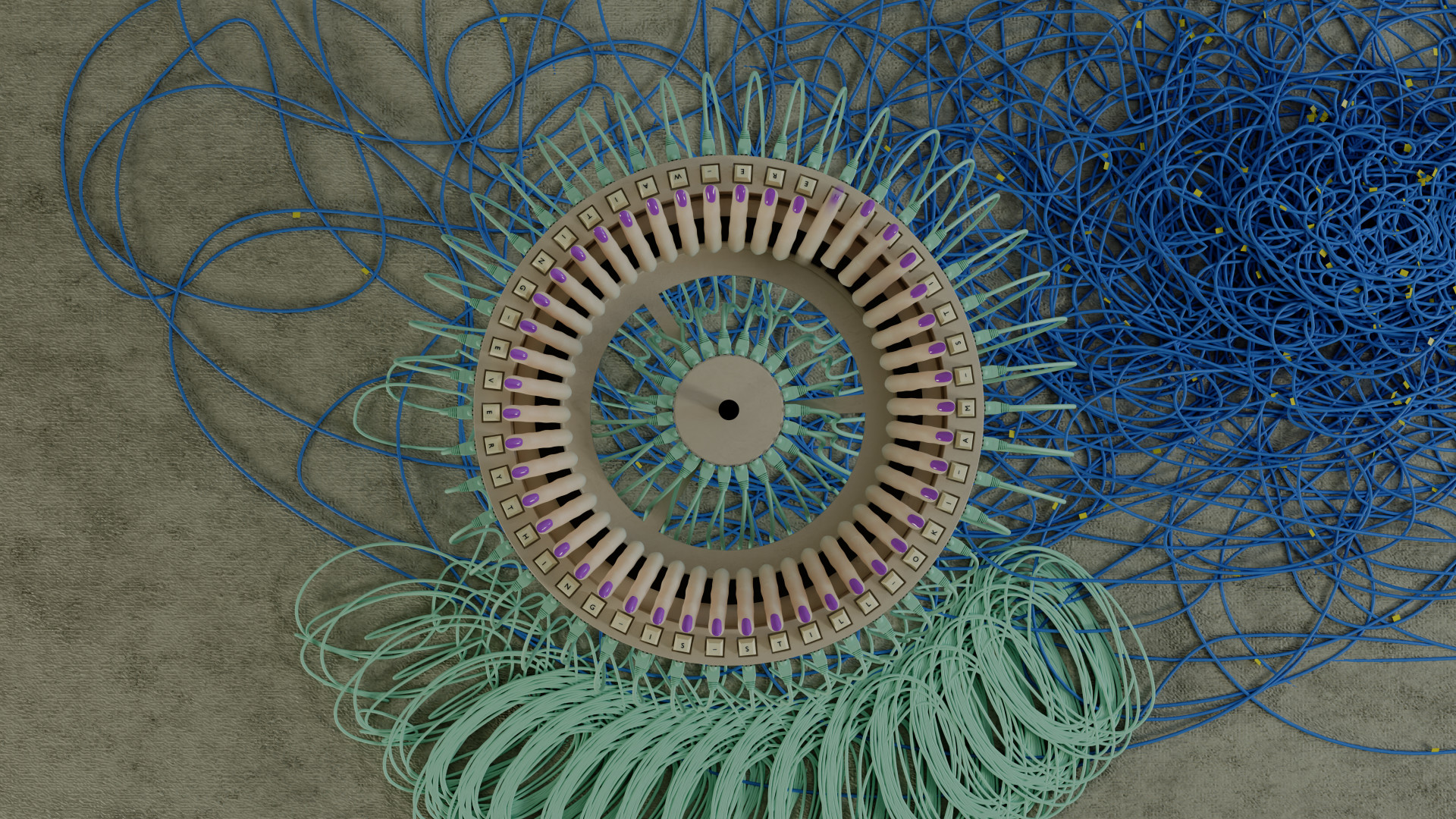
Forensic investigations, material translations of digital artifacts and kinetic sculptures allow Marciniak to follow the material consequences of computation, from the cultural afterlives of synthetic images to the absurd mechanical choreographies of machines waiting for an anomaly.
This activity is part of the OpenLAB The Mechanics of Truth festival.
Date: Thursday, November 26, 8:15pm.
Place: Nave Una in Matadero Madrid.
Language: English with simultaneous translation in Spanish.
Price: Free, no registration required.
Martyna Marciniak is a Polish, Berlin-based artist, researcher and 3D designer. Her work explores visual storytelling through animation, film, writing and model-making, drawing on speculative fiction and allegory to expose technological and visual biases. She has worked with Forensic Architecture, Amnesty International and Human Rights Watch, and co-founded Border Emergency Collective, which documented the stories of people migrating across the Polish-Belarusian border. Her work has been shown at the Onassis Foundation, Ars Electronica and the Warsaw Biennale, among many other venues.

 Medialab-Matadero Madrid